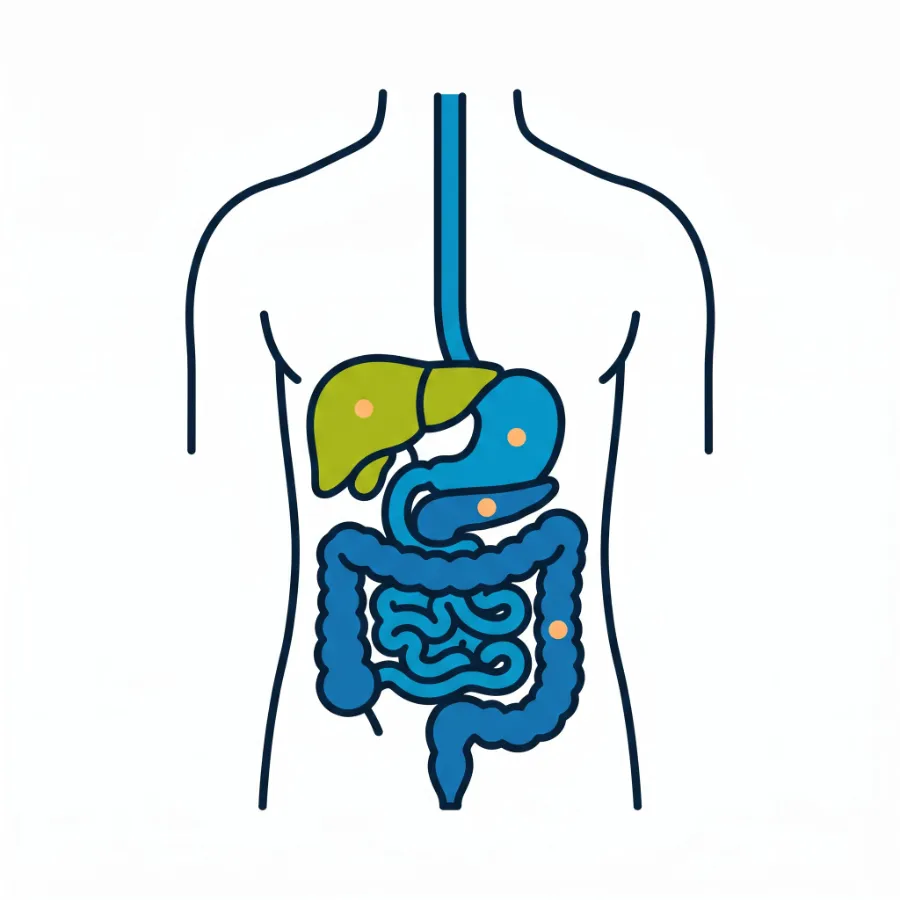
Care at home
Major abdominal surgery, including cancer surgery of the stomach, bowel, liver or pancreas
Dr. Aslam Baba
Surgical Gastroenterologist
+91 99851 88851
Surgical Gastroenterologist
+91 99851 88851
Patient name
Date of surgery
Stitchesdissolve on their own / remove on
Follow-up visit on
Call +91 99851 88851 if you have
- Fever of 100.4°F (38°C) or more
- Redness, swelling or discharge from the wound
- A sudden change in the amount or colour of drain fluid
- Loose stools for more than three days
- Poor eating with continued weight loss
Go to the nearest emergency department now if you have
- Severe pain, a swollen abdomen, or vomiting that does not stop
- Not passing gas or stools, with bloating
- Chest pain or difficulty breathing
- Painful swelling of one calf
- Bleeding from the wound or in vomit or stools, or yellow eyes
The first day at home
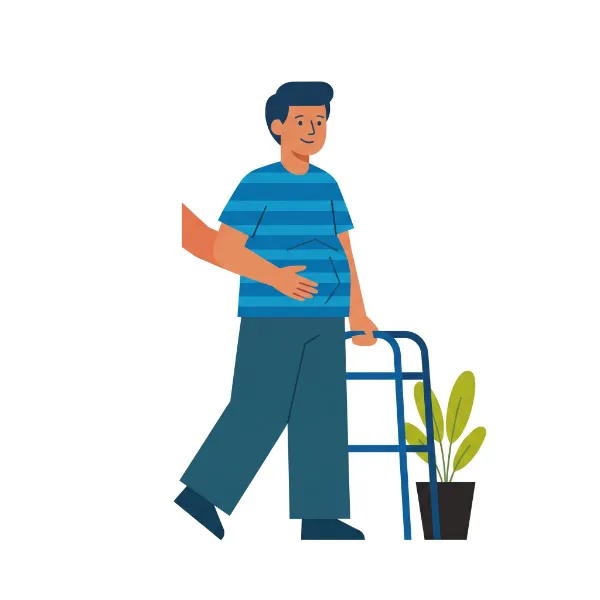
- After you go home, rest, but do not stay in bed all day. Walk around the house several times a day.
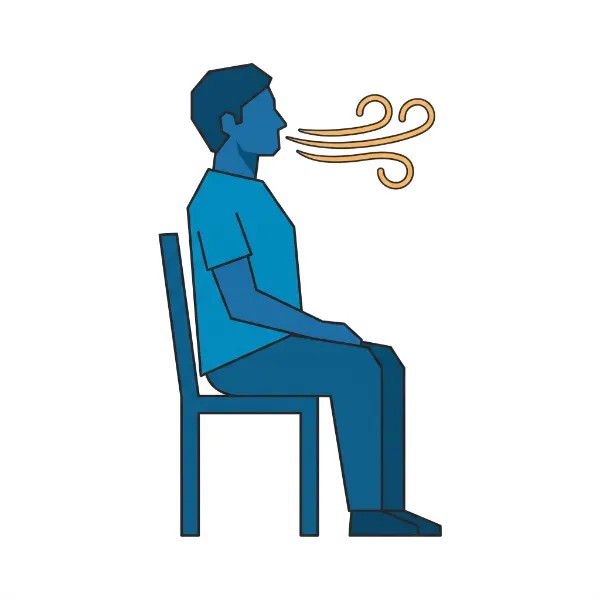
- Do the breathing exercises you were taught: deep breaths and a cough, ten times every hour while awake.
- If you were given blood-thinning injections, take them on time for as many days as advised.
Wound care
- Keep the wound clean and dry. Bathe as advised, then pat the wound dry.
- Staples or stitches are usually removed 10 to 14 days after surgery, at your follow-up visit.
- If you go home with a drain, empty it and write down the amount each day. Bring this record to your visit.
- If you have a stoma, follow the separate stoma guide you were given.
Pain
- Take your painkillers on time, especially before walking.
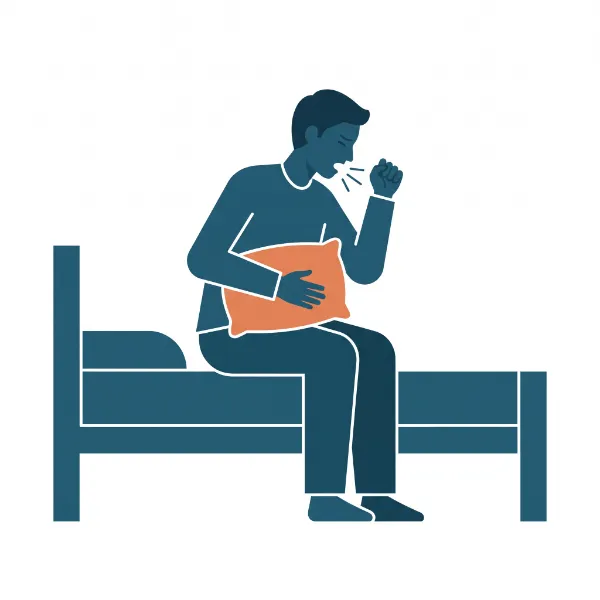
- Hold a pillow over the wound when you cough or get up.
Eating and drinking
- Eat small meals five or six times a day rather than three large ones.
- Include protein at every meal, such as dal, eggs, curd, paneer, fish or chicken, to help healing.
- Your appetite may be poor for a few weeks. This is common and improves slowly.
- Follow any special diet you were given after stomach or pancreas surgery.
When can I
| Walking | From day one, more each day |
|---|---|
| Bath | As advised, usually once the wound is dry |
| Light housework | After about two to three weeks |
| Driving | Usually after four to six weeks, when you can brake hard without pain |
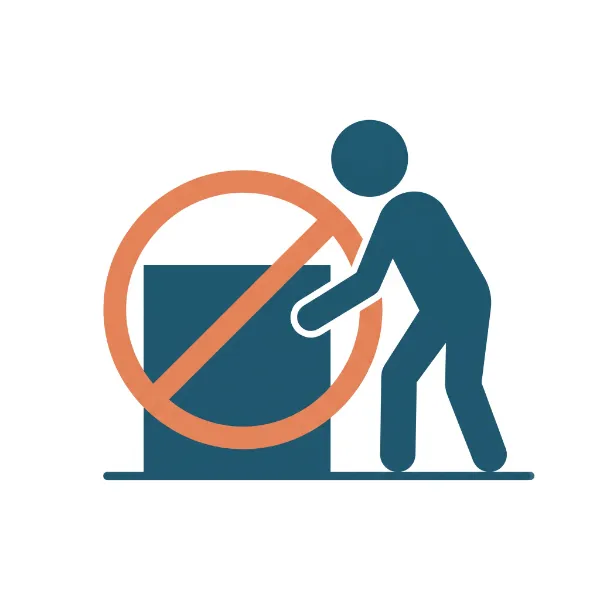
| Lifting heavy things | Avoid for at least six weeks |
| Work | Usually after six to eight weeks, depending on the operation and further treatment |
These are usual times. Your own times may be different; follow what you are told at discharge.
My medicines
| Medicine | Dose | When | For how many days |
|---|---|---|---|
Your biopsy report will be explained at your follow-up visit. Many patients then need chemotherapy or other treatment, planned with the oncologist.
My recovery checklist
- Walking several times a day
- Breathing exercises every hour
- Blood-thinner injections completed
- Drain record kept, if any
- Stitches or staples removed
- Biopsy report and next treatment discussed